
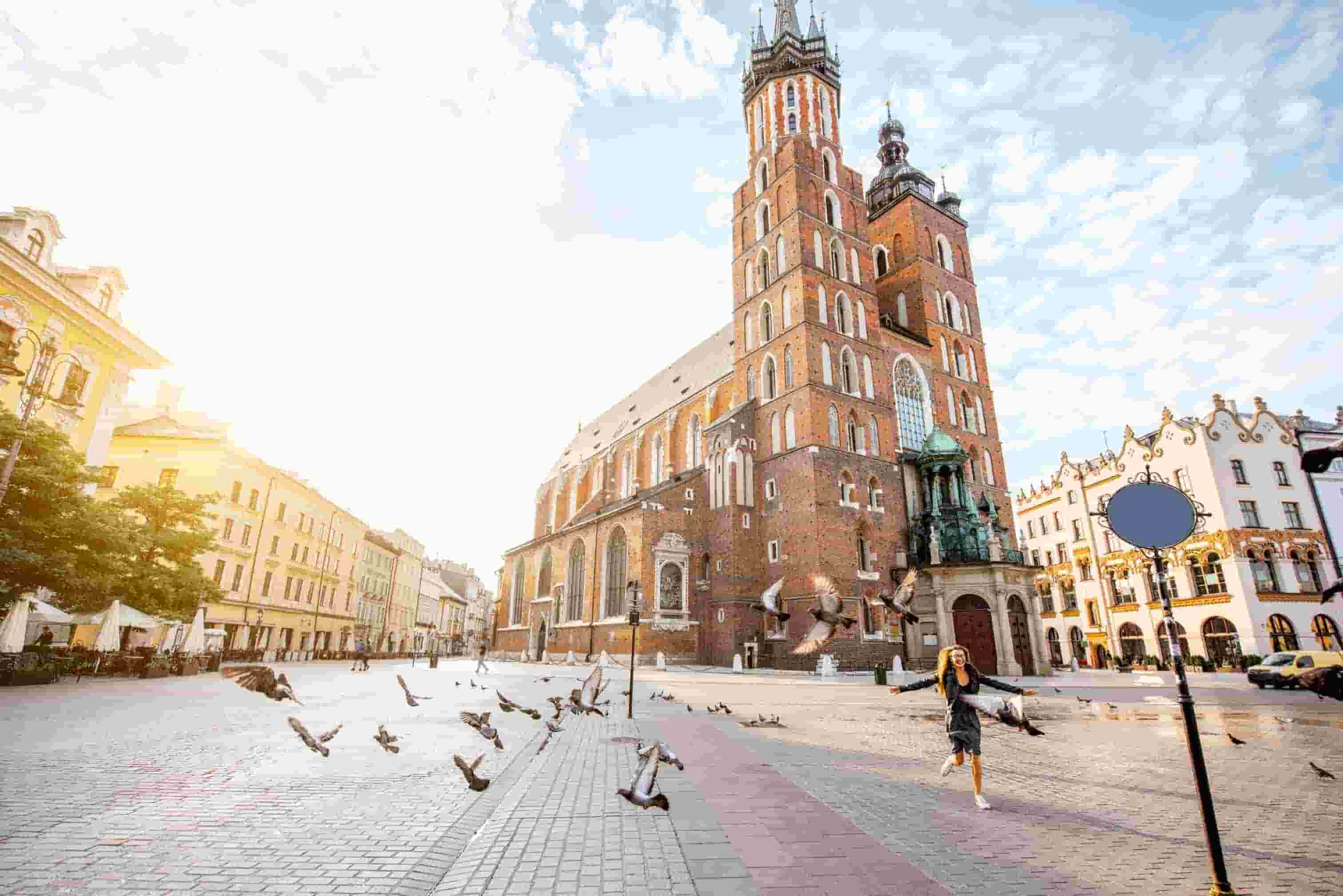
Poland Visa & Immigration Services
Hudson McKenzie advises individuals, families and international businesses on Polish visa and immigration matters, including work permits, temporary residence and work applications, EU Blue Cards, intra-corporate transfers, business immigration, family residence, study, permanent residence, EU long-term residence and citizenship.
Poland is a member of the European Union and the Schengen Area. Immigration requirements depend on factors including nationality, the purpose and duration of stay, employment or business arrangements, family circumstances and longer-term residence objectives.
EU, EEA and Swiss citizens benefit from European free-movement rights, while most non-EU nationals moving to Poland for employment or longer-term residence need the appropriate Polish immigration permission.
For non-EU nationals, work and residence can involve different forms of authorisation. Depending on the circumstances, an employee may require Polish work authorisation, an appropriate visa for entry and/or a residence permit for longer-term stay.
Poland also introduced a major procedural change on 27 April 2026, when the new Moduł Obsługi Spraw (MOS) system became the mandatory electronic filing route for most temporary residence, permanent residence and EU long-term resident applications. Certain categories, including specified ICT and overseas family cases, continue to follow different filing procedures.
Hudson McKenzie can assess the available Polish immigration routes and coordinate visa, work-authorisation, residence and supporting-document requirements for individuals and businesses.
For broader context on Poland as a destination for international businesses and professionals, see Poland is ready. The world is watching.
Poland Work Visas, Work Permits & Temporary Residence
Poland EU Blue Card & Highly Qualified Workers
Intra-Corporate Transfers, International Assignments & Business Immigration
Family Reunification & EU/EEA/Swiss Residence Rights
Permanent Residence, EU Long-Term Residence & Polish Citizenship
Other Poland Immigration Routes
Short-Stay Business & Visitor Travel
Poland is part of the Schengen Area.
Depending on nationality, travellers may require a Schengen C visa for qualifying short stays.
The general Schengen framework permits stays of up to 90 days in any 180-day period.
Qualifying business activity can include matters such as:
- meetings;
- negotiations and commercial discussions;
- conferences and seminars;
- trade fairs and exhibitions; and
- other permitted short-term business activities.
Business visitor status should not be treated as unrestricted permission to undertake employment in Poland. Where the proposed activities amount to work, the appropriate Polish work authorisation should be considered.
Tourism, family visits and other private travel are also subject to nationality-specific Schengen visa rules.
International Students & Graduates
Non-EU nationals undertaking qualifying studies in Poland may require a Polish national visa or temporary residence permission, depending on nationality and intended duration of stay.
Supporting evidence can include:
- admission or continuation of studies;
- evidence concerning the educational institution;
- financial resources;
- health insurance; and
- tuition-fee documentation where applicable.
Employment rights during study depend on the student’s immigration status and circumstances.
For future EU long-term resident applications, qualifying periods spent in Poland for study or vocational training are generally counted at half their duration when calculating the five-year residence requirement.
Students considering remaining in Poland after graduation should assess whether an employment, EU Blue Card, business or other residence route is available.
Digital Nomads & Remote Working from Poland
Poland does not currently operate a dedicated immigration category specifically described as a Digital Nomad Visa.
A foreign national wishing to live in Poland while working remotely should establish whether another immigration category provides an appropriate legal basis for the proposed stay and activities.
Relevant factors can include:
- nationality;
- duration of stay;
- employer location;
- employee or self-employed status;
- where the work is physically performed; and
- whether Polish work authorisation is required.
Visitor or visa-free status should not automatically be treated as permission to establish long-term residence and work remotely from Poland.
Remote working can also have tax, social-security and employment-law implications separate from immigration permission.
For broader international remote-work options, see Hudson McKenzie’s Digital Nomad Visas and Remote Working Visas.
Why Choose Hudson McKenzie for Poland Immigration?
Hudson McKenzie advises individuals, families, professionals, entrepreneurs and international businesses on Polish immigration and global mobility matters.
Our team can assist with:
- Polish work permits;
- Temporary Residence and Work Permit applications;
- national visa and residence planning;
- EU Blue Card applications;
- highly qualified worker assessments;
- intra-corporate transfers;
- international assignments and posted-worker matters;
- business and entrepreneur residence;
- family reunification;
- EU, EEA and Swiss residence rights;
- international student immigration;
- remote-working immigration assessments;
- MOS residence applications;
- permanent residence;
- EU long-term resident status;
- Polish citizenship planning;
- citizenship-by-descent assessments;
- document preparation and review;
- apostille, legalisation and translation coordination; and
- corporate immigration and global mobility strategy.
For businesses, Hudson McKenzie can support foreign recruitment, employee transfers and assignments into Poland and coordinate employer and employee immigration requirements.
For professionals, we can compare standard work-authorisation and residence routes with the EU Blue Card framework according to qualifications, remuneration, proposed employment and longer-term plans.
For entrepreneurs and families, we can assess the available business, family and residence options according to individual circumstances.
Where Polish immigration forms part of a wider international assignment or corporate mobility programme, our global immigration team can coordinate Polish requirements with wider cross-border planning.
Planning to work, establish a business, relocate employees or join family in Poland? Contact Hudson McKenzie to discuss the Polish immigration options relevant to your circumstances.
Disclaimer: The information provided on this page is for general guidance only and does not constitute legal advice. Polish and EU immigration rules, visa requirements, work-authorisation procedures, financial and salary thresholds, electronic filing requirements and documentary requirements are subject to change. Eligibility depends on nationality, immigration category, individual circumstances and the rules in force at the relevant time. Please contact Hudson McKenzie for advice tailored to your specific circumstances.
Frequently Asked Questions About Poland Visas & Immigration


Get the latest insights on global immigration delivered straight to your inbox
